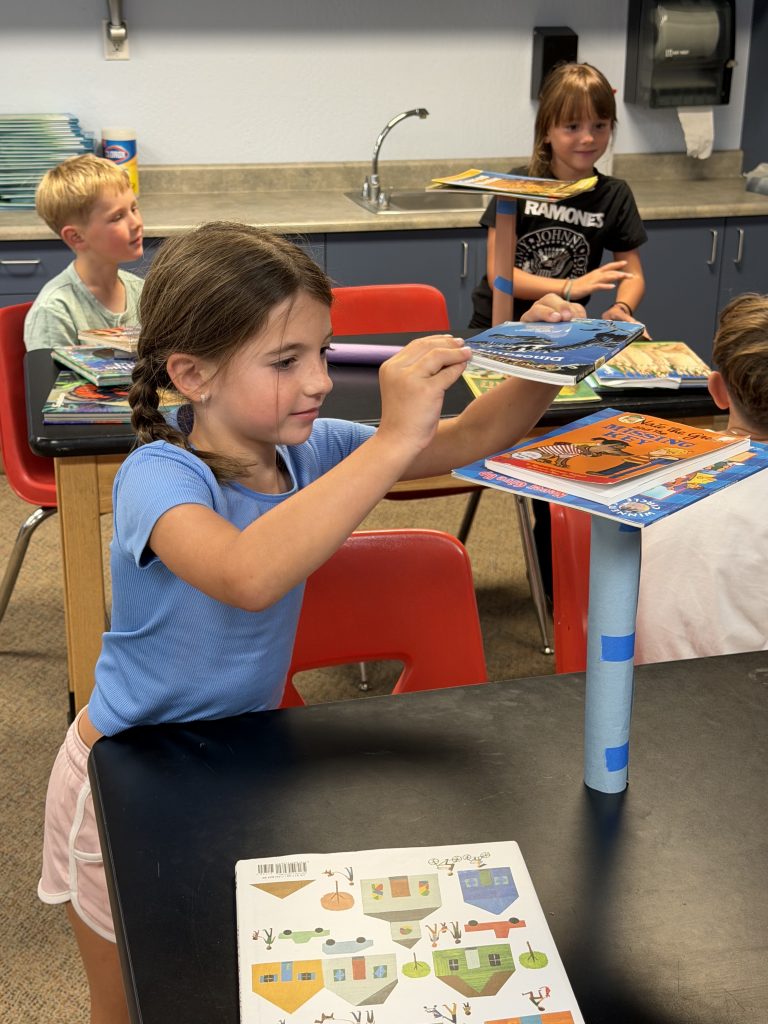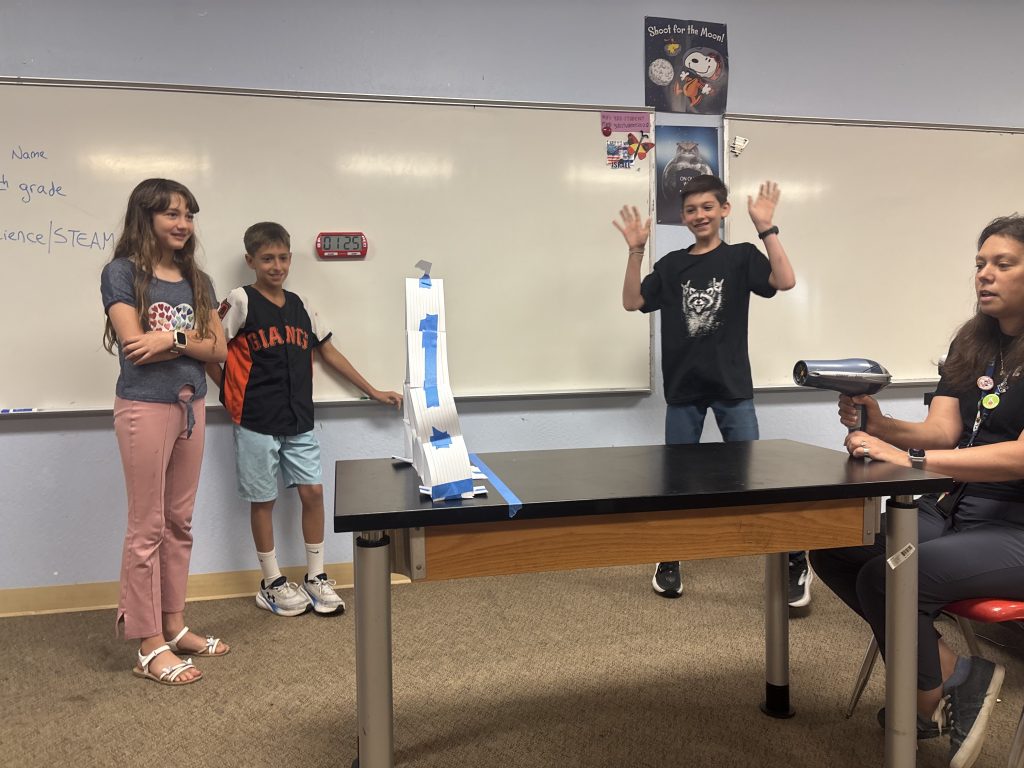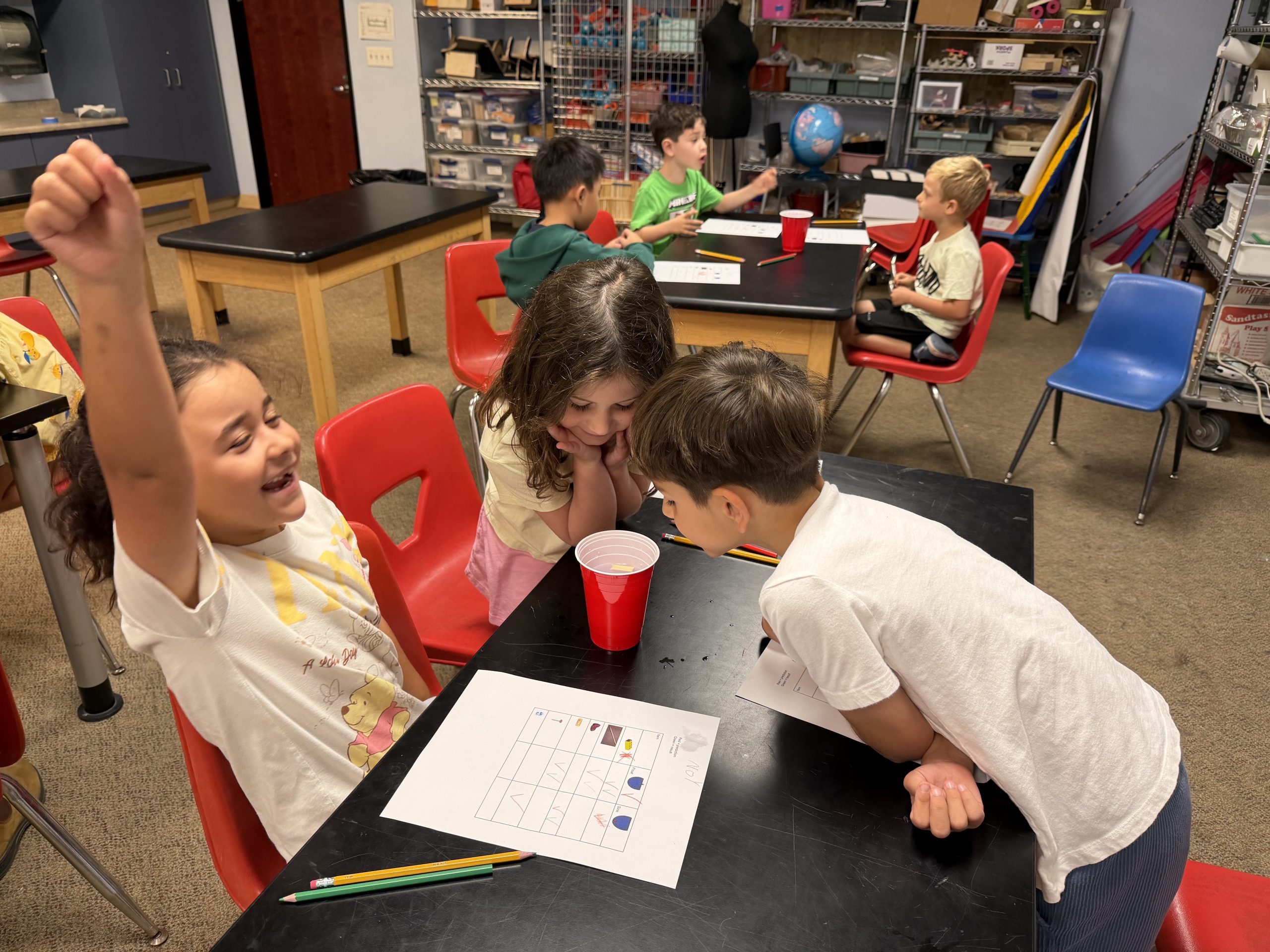

Introducing science and engineering in our lower school isn’t just about memorizing facts or following a recipe; it’s about tapping into students’ natural curiosity to help them make sense of their world. When young students get to build with cardboard, make a density column with different liquids, or test which paper allows colored water to “travel faster” from one container to the other, they aren’t just playing. They’re learning how to ask questions, test out their own ideas, and figure out why things work the way they do. This kind of hands-on critical thinking makes learning feel like an adventure, helping kids become confident thinkers who aren’t afraid to ask “what if?”
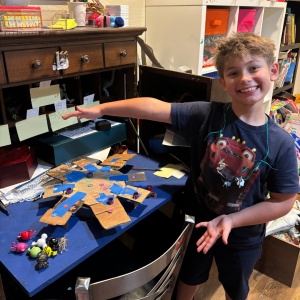
What makes this early focus on STEAM so powerful is how it changes the way kids view making mistakes. In engineering, if your tower falls over on the first try, that’s not a failure, it’s just valuable information on how to build it better next time. Working through these hands-on challenges with classmates teaches kids patience, teamwork, and resilience. Instead of giving up when something gets tough, they learn to step back, try a new approach, and keep going. That mindset stays with them far beyond the classroom, giving them the confidence to tackle all kinds of real-world problems as they grow up. When a student goes home and shares with their family not only what they did in STEAM class, but actually replicates the experience, we know that the learning goes beyond our school’s walls. (Example Below)
“I would like to share with you the self-standing structure my son created all by himself based on his favorite TV show! He wanted to share it with you”.
(Mom of a fourth grader).